
Today, digital technology has changed the way people communicate, learn and share information. Social media platforms and messaging applications have become a major part of daily life in Sri Lanka. Although these technologies provide many benefits, they have also created new problems. One of the most serious issues is cyberbullying, which affects children, university students and adults.
Cyberbullying means using digital platforms to repeatedly harass, embarrass or harm another person. Unlike traditional bullying, cyberbullying can happen at any time because people can be reached through online platforms from anywhere. The ability to hide behind anonymous accounts and the speed at which online content spreads make cyberbullying a difficult issue to control.
Cyberbullying as a Growing Issue in Sri Lanka
The use of smartphones and social media platforms such as Facebook, Instagram, TikTok, WhatsApp and Telegram has increased rapidly in Sri Lanka. While these platforms allow people to communicate and express their opinions, they can also be used for harmful activities.
Cyberbullying can happen in different ways, like sending threatening messages, creating fake accounts, spreading false rumours, sharing private photos or videos without permission and posting insulting comments. These actions can seriously affect a person’s privacy, reputation and emotional well-being.
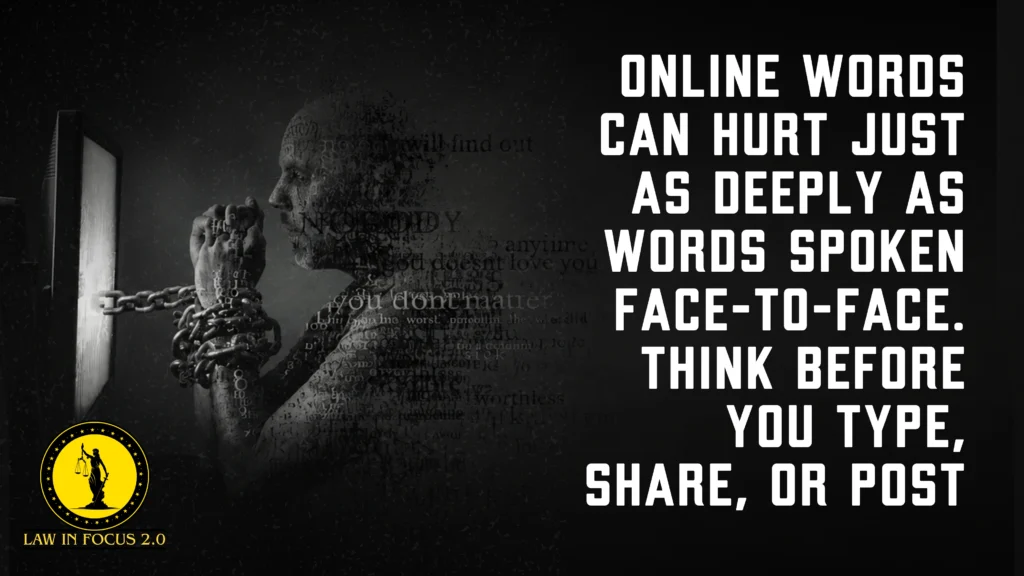
One major problem with cyberbullying is that online content can spread quickly and remain available for a long time. Even if harmful posts are deleted, they may already have been copied or shared by others. Therefore, victims may continue to experience the effects of cyberbullying even after the original incident has ended.
Legal Protection for Cyberbullying Victims in Sri Lanka
Cyberbullying creates a legal challenge because it involves different types of harm, including harassment, threats, privacy violations and damage to reputation. Currently, Sri Lanka does not have one specific law that defines cyberbullying as a separate offence. However, several existing laws can provide protection in certain situations.
The Computer Crimes Act, No. 24 of 2007 provides legal protection against offences involving computer systems and digital information. Although it does not directly mention cyberbullying, it may apply to certain activities involving illegal access or misuse of digital information.
The Online Safety Act, No. 9 of 2024 was introduced to address harmful online activities. It is relevant to cyberbullying because many online abuses involve harmful communications, false information or misuse of online platforms. However, proper implementation and public awareness are necessary to make this law effective.
The Personal Data Protection Act, No. 9 of 2022 is also important because many cyberbullying incidents involve sharing personal information, photographs or private data without permission. Protecting personal information is an important step in reducing online harm.
Although these laws provide some protection, gaps still exist. Since cyberbullying is not recognised as a separate offence, victims may face difficulties when trying to identify the correct legal action to take.
Challenges in Protecting Victims
One of the main challenges is identifying the person responsible. Many offenders use fake accounts or anonymous profiles, making it difficult for authorities to trace them. Collecting digital evidence is also challenging because messages, posts and accounts can be deleted or changed.
Another problem is that many victims do not report cyberbullying incidents. Some fear embarrassment, social judgment or further harassment. Young people especially may not know their legal rights.
There is also a need to maintain a balance between protecting people from online harm and protecting freedom of expression. Laws should prevent harmful behaviour while allowing people to share their opinions responsibly.
Recommendations for Better Protection
Sri Lanka should consider introducing a clearer legal framework specifically addressing cyberbullying. A specific law could help define cyberbullying, improve reporting procedures and provide better protection for victims.
Digital awareness programs should also be introduced in schools, universities and workplaces. People should learn about responsible online behaviour, privacy protection and how to report harmful content.
Law enforcement officers should receive better training in digital investigations and handling online evidence. Cooperation between government institutions, educational organisations and social media companies can also help respond to cyberbullying more effectively.
Victims should receive proper support, including legal guidance and counselling services. Cyberbullying is not only a legal issue but also a social and emotional issue.
Cyberbullying is a growing challenge in Sri Lanka’s digital society. Although existing laws provide some protection, more improvements are needed to fully protect victims. Stronger laws, better awareness, effective investigations and responsible online behaviour are necessary to create a safer digital environment for everyone.
Written By: –

Lakshani Wasana Gamage
(General Sir John Kotelawala Defence University)
Designed By: –

Rtr. Munshifa Waseer
( Senior Blog Team Member 2026-27)