
The rise of social media has made sharing our daily thoughts, opinions and personal updates faster and easier than ever before. However, the line between expressing a personal opinion and causing real harm to someone else’s reputation or well-being has become blurred. What might start as a heated online argument can quickly escalate into social media defamation or targeted online harassment. Understanding where free speech ends and legal liability begins is essential for anyone who posts, comments, or interacts on modern digital platforms.
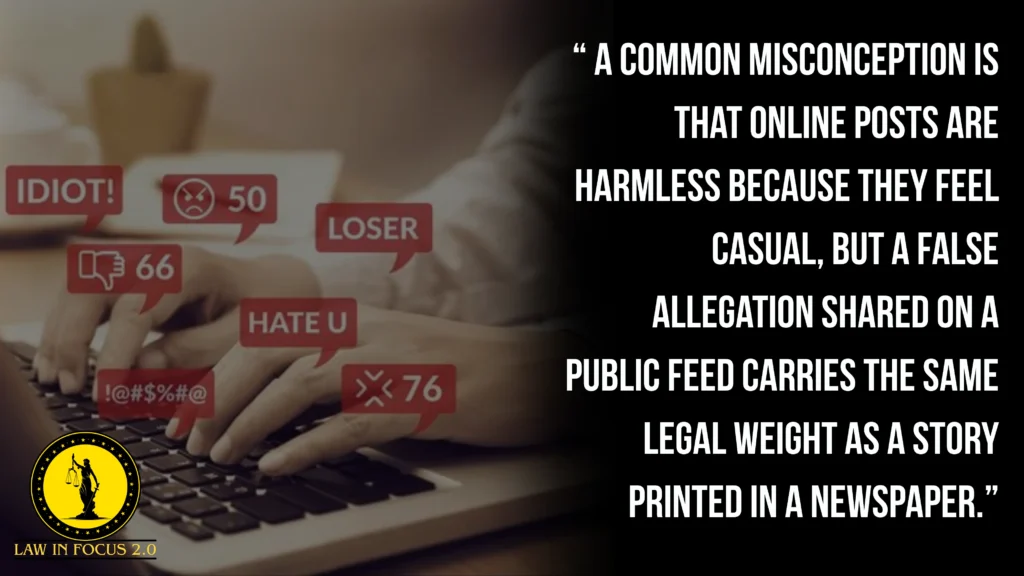
Defamation occurs when someone publishes a false statement about another person that damages their reputation, livelihood, or character. On social media platforms, this usually takes the form of written posts, comments, tweets, or shared videos, which the law classifies as libel. A common misconception is that online posts are harmless because they feel casual, but a false allegation shared on a public feed carries the same legal weight as a story printed in a newspaper. If a false post causes a person to lose their job, face public ridicule, or lose clients for their business, the poster can be sued for financial damages.
Online harassment, while closely related to defamation, focuses more on repetitive, hostile and threatening behaviour directed at an individual. This includes cyberbullying, doxxing, which is the public release of private information like home addresses or phone numbers and sending persistent abusive messages. Harassment laws are designed to protect individuals from digital behaviour that causes severe emotional distress or creates a credible threat to their physical safety. Unlike a single negative comment, harassment typically involves a pattern of behaviour intended to intimidate, silence, or harm the victim.
One major reason social media defamation and harassment spread so quickly is the illusion of online anonymity. Many users falsely believe that creating a burner account or using a fake username shields them from legal consequences. In reality, law enforcement agencies and legal teams can obtain court subpoenas to compel social media companies to surrender IP addresses, account logs and technical identifiers. Courts around the world consistently hold anonymous posters accountable, proving that a screen name does not grant immunity from civil lawsuits or criminal charges.
For victims of online harassment or defamation, taking immediate and organised action is crucial. The first step is to preserve evidence by taking clear screenshots of the offending posts, including timestamps, usernames and profile URLs, before the content is deleted. Next, reporting the posts directly to the platform’s moderation team can help get the content removed for violating terms of service. If the behaviour involves direct threats, extortion, or significant financial damage, filing a report with local law enforcement or consulting a legal professional is necessary to issue formal legal warnings or file court injunctions.
Ultimately, navigating the digital world safely requires a balance of digital literacy, empathy and legal awareness. While social media gives everyone a voice, that privilege comes with the legal responsibility to avoid publishing harmful falsehoods or intimidating others. As courts and legislators continue to update digital safety laws, understanding the legal boundaries of online communication protects both your own rights and the well-being of others in the digital community.
Written By: –

M R A Ravishan Meegalla
(SLT-Mobitel Nebula Institute of Technology)
Designed by: –

Rtr. Chamodya Anushani
(Senior Blog Team Member 2026-27)