
Each year on July 28, the world unites to mark World Hepatitis Day, a critical global health awareness day dedicated to shedding light on viral hepatitis – a group of infectious diseases that cause liver inflammation and can lead to serious health problems including liver cancer and death.
In 2025, the theme “Hepatitis Can’t Wait” remains a powerful reminder that urgent action is needed. Every 30 seconds, someone loses their life to a hepatitis-related illness, despite the existence of preventive vaccines, diagnostic tools, and effective treatments.
What is Hepatitis?
Viral hepatitis refers to five different viruses: Hepatitis A, B, C, D, and E. Each type spreads differently Hepatitis A and E are typically spread through contaminated food or water. Hepatitis B, C, and D are spread through blood, unsafe injections, sexual contact, and from mother to child during childbirth
While hepatitis A and E are often short-term infections, hepatitis B and C can become chronic, leading to cirrhosis, liver failure, or liver cancer if untreated.
According to the World Health Organization (WHO), over 350 million people are living with chronic hepatitis B or C. The tragedy is that many are unaware of their infection because symptoms often do not appear until serious liver damage has occurred.
In many parts of the world, limited access to testing and treatment, stigma, and lack of awareness contribute to the ongoing hepatitis crisis.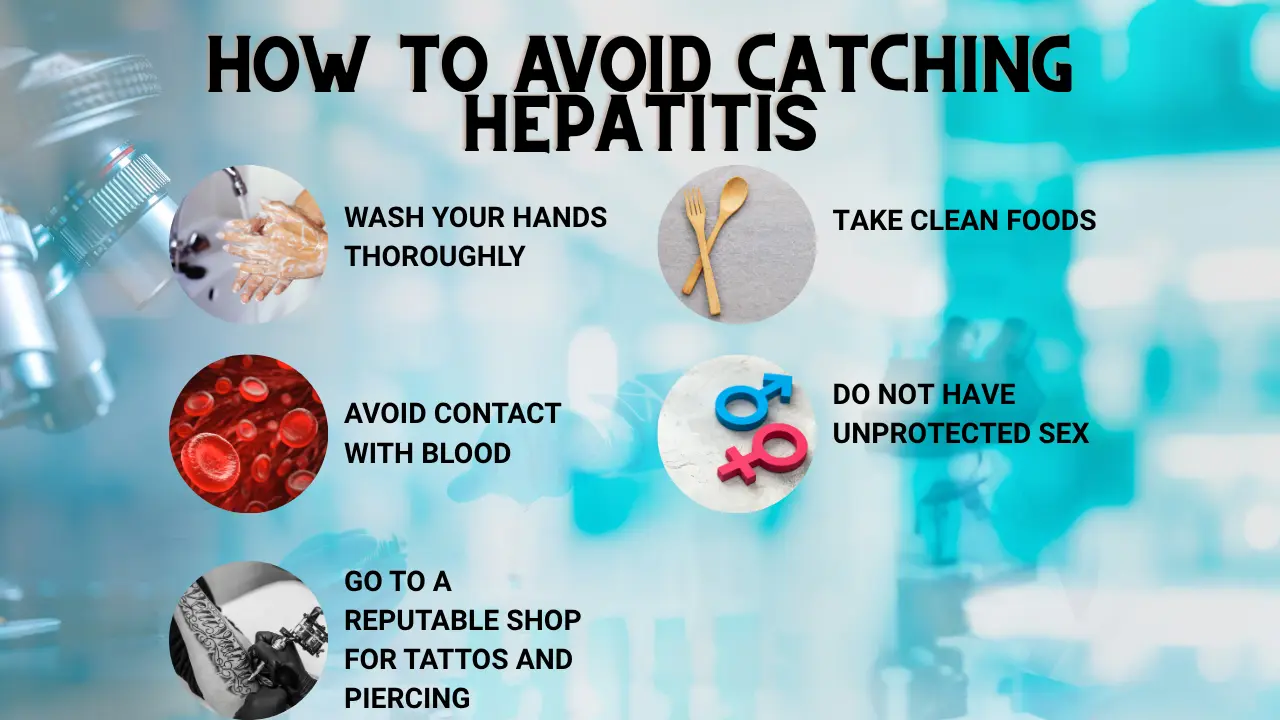
World Hepatitis Day 2025 calls for accelerated progress toward the global goal of eliminating hepatitis as a public health threat by 2030. This includes:
- Expanding access to testing and diagnosis
- Increasing coverage of the hepatitis B vaccine, especially at birth
- Making antiviral treatment more accessible and affordable
- Reducing mother-to-child transmission
- Promoting public awareness and education
Governments, health systems, and communities must work together to close the gap in diagnosis and care.
On World Hepatitis Day 2025, individuals, health organizations, and governments around the world are encouraged to:
- Get tested and know their hepatitis status
- Get vaccinated, particularly for hepatitis B
- Share educational materials and spread awareness on social media
- Support screening programs in local communities
- Fight stigma by talking openly about liver health and hepatitis
Hepatitis is a silent killer, but it doesn’t have to be. With increased awareness, improved access to care, and strong global commitment, millions of lives can be saved.On World Hepatitis Day 2025, let’s remember: Hepatitis can’t wait — but together, we can eliminate it.
Written By: –

Rtr. Tharushi Nawodya
(Senior Blog Team Member 2025-26)
Edited By: –

Rtr. Sawandi Thisarani
(Senior Blog Team Member 2025-26)