
There was a time when mental health struggles were carried quietly. They sat at the dinner table unspoken. They hid behind polite smiles in classrooms and offices. If someone felt overwhelmed, anxious, or deeply sad there were very few places to turn to. Conversations about emotions were often private, sometimes even shameful. Without the constant presence of social media, awareness spread slowly through books, professionals, or rare heart-to-heart conversations. Many people endured their pain silently because they didn’t know what they were feeling or their feelings invalidated. “Toughen up,” they would say, “big girls/boys don’t cry,” they would say, but what they should have been saying is: Let your heart speak, let your tears fall if they must, because true strength isn’t a stiff upper lip but the bravery to feel deeply and let others be there for you.
Today, the silence has been replaced with noise and in many ways, that noise has saved lives. The digital age has pulled mental health into the spotlight. As discussed in the Child Focus article, technology has dramatically increased awareness and access to information. A teenager who feels an unfamiliar heaviness can now search their symptoms at midnight and find explanations, coping strategies, and thousands of voices saying, “I feel this too.” That sense of shared experience has reduced stigma. Therapy is talked about openly. Anxiety and depression are no longer words whispered behind closed doors. For many social media has been a lifeline, a proof that they are not alone.
There is something undeniably comforting about seeing someone post honestly about struggling and receiving support within minutes. Online communities have formed around healing, recovery, and self-acceptance. Digital campaigns encourage people to speak up, to check on their friends, to prioritize mental well-being. In this way, social media has created a global conversation that simply did not exist before.
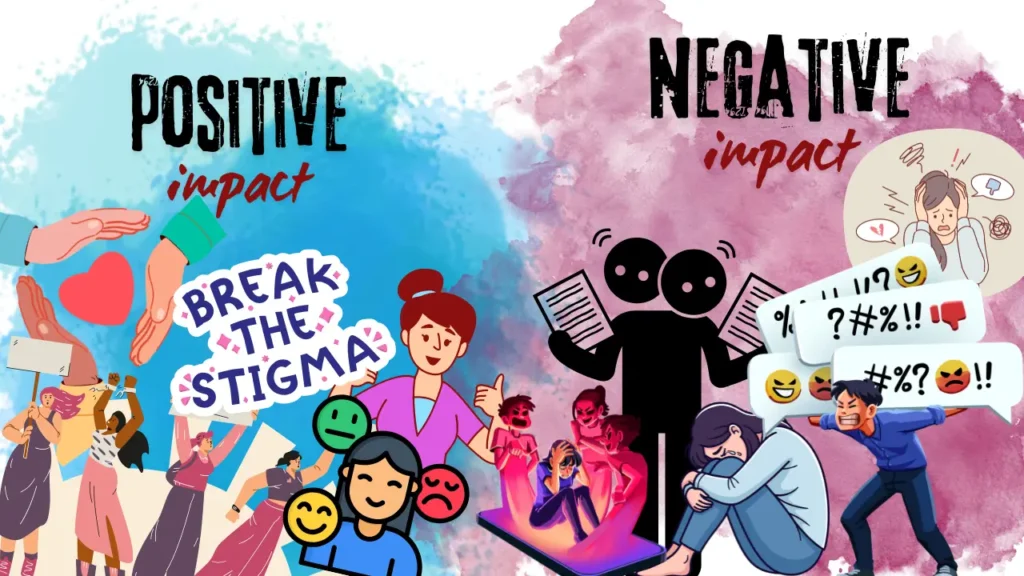
But in the middle of all this awareness, something else has quietly changed. Conversations have become shorter. Faster. Filtered. Where once there may have been long, tearful talks across a table, now there are quick texts that say “you’ll be okay.” Where once someone might have heard the tremble in a friend’s voice or noticed their tired eyes, now we see carefully chosen selfies and perfectly edited stories. Words meant to comfort have sometimes been reduced to emojis like a heart, a hug or stay strong. The intention is kind, but the depth can feel different.
In the digital world, you rarely see how someone truly feels. You see what they choose to post. You see what has been edited, cropped and filtered. Pain can be hidden behind a bright caption. Smiles can be rehearsed. Someone can write “I’m fine” and no one hears the pause that might have followed if the conversation were face to face. The screen protects, but it also distances.
Social media has also inadvertently created a platform for comparison and competition of ‘My life is better than yours’. We are encouraged to be open about our struggles, yet surrounded by images that suggest everyone else is thriving while we are not. That contrast can quietly intensify feelings of inadequacy or loneliness. Then there is the endless scrolling. The late nights. The need for validation measured in likes and comments. While social media spreads awareness, it can also feed anxiety. It can turn vulnerability into content, can make support feel public rather than personal. It pushes a person to post about their life for strangers just to gain followers, making yourself a public spectacle and the green light for others to comment, judge or critic and these aren’t consequences most are prepared to withstand. Cyberbullying, harsh comments, or subtle exclusion can deeply wound, especially when it happens in front of an invisible audience.
The digital age has given mental health a voice, but sometimes it has taken away its intimacy. This does not mean the progress isn’t real. It is. Fewer people suffer without language for their pain. More people understand that mental health matters. Access to online therapy and resources has broken down barriers that once felt impossible. Technology has made help reachable with a single click. It has allowed humans to understand that not being okay is actually normal and not something to be shameful of. It is our emotions that makes us human, different and superior to other animals and therefore a strength to be embraced not feared.
But perhaps the challenge now is balance. Awareness online is powerful, but it cannot fully replace a hand being held, a long uninterrupted conversation, or the comfort of sitting beside someone and truly seeing them. Emojis cannot always capture the complexity of emotion. A comment section cannot always replace a quiet room where someone feels safe enough to cry without an audience.
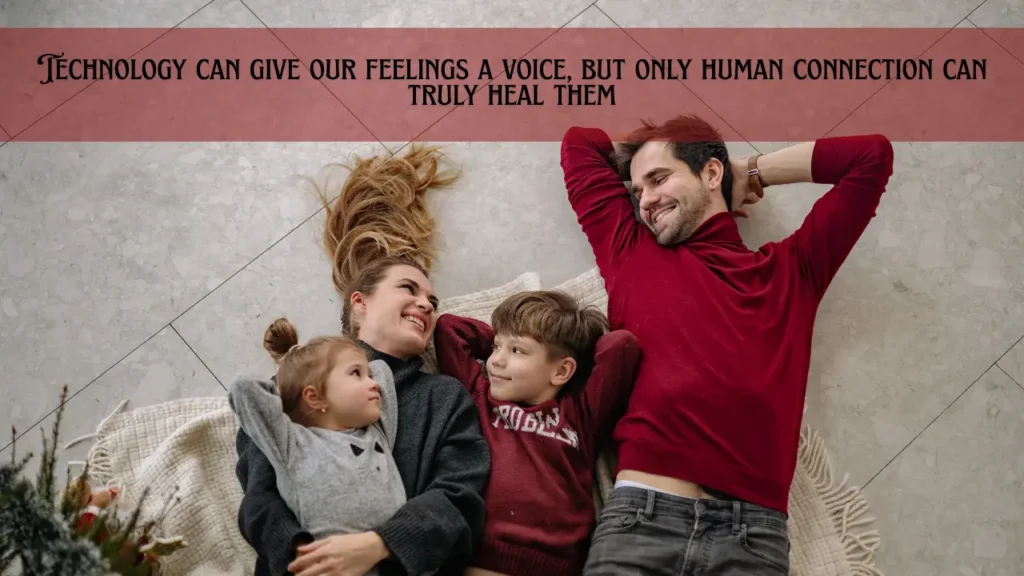
Mental health in the digital age is louder, more visible, and more discussed than ever before. Yet beneath the posts and hashtags, the human need remains the same: to be understood deeply, not just reacted to quickly. Maybe the future of mental health awareness isn’t choosing between online and offline, but learning to bring the honesty we share on screens back into our real-life conversations. To use technology as a bridge not a substitute. To remember that behind every filtered photo is a real person with unfiltered feelings.
There is always someone silently crying out for help whether it’s your family, friends, a stranger or even yourself… so listen harder than the noise, look beyond the smiles and speak with kindness because you never know when one of these had been the reason to help someone forget a lifetime of sorrow. Awareness is important but connection that is real, imperfect and face-to-face is healing in a way no notification ever could be and as a society it is this what we should be pushing towards achieving in this digital age.
Written By: –

Rtr. Lakshini Haturusinghe
(Senior Blog Team Member 2025-26)
Design By: –

Rtr. Sawandi Thisarani
(Senior Blog Team Member 2025-26)