
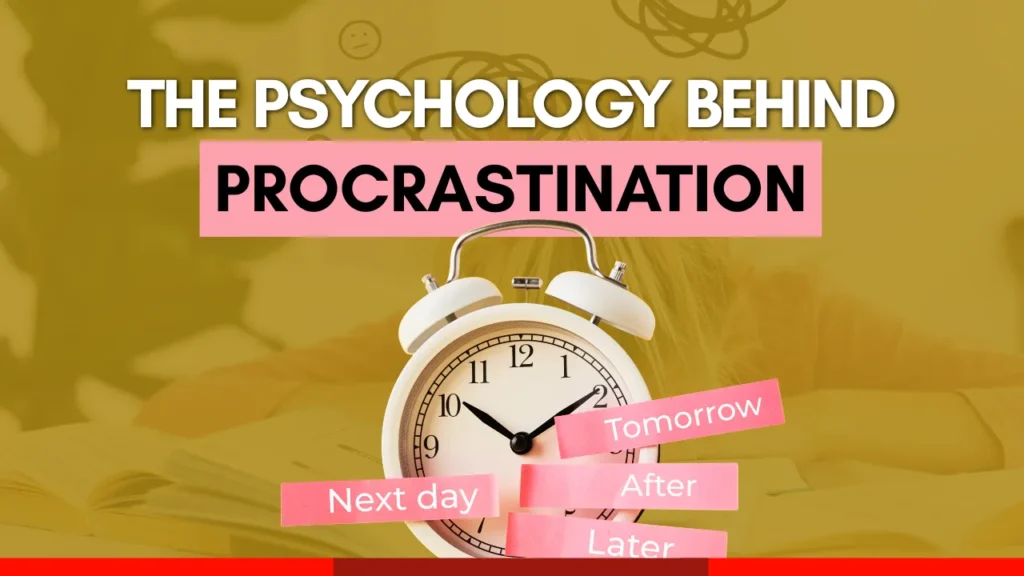
“I’ll do it later,”
The most dangerous sentence known to every student ever. Especially university students. Because somehow tomorrow turns into next week, next week turns into “submission is tonight” and suddenly you’re writing a 2000 word assignment at 3am fueled purely by coffee and regret.
Procrastination is something almost everyone struggles with. Whether it’s delaying assignments, avoiding studying for exams or even putting off replying to an email, people continue to postpone important tasks despite fully knowing the consequences. And honestly speaking, in a world full of distractions and stress, procrastination has become almost normalized.
Most people think procrastination is simply laziness. But psychologically, it’s much deeper than that. Many people procrastinate because they fear failure. Sometimes starting a task feels terrifying because what if you fail? What if you’re not good enough? So instead of facing the possibility of failure, people avoid the task altogether. It’s easier to scroll on tiktok for 5 hours than to start the assignment that determines your GPA.
Perfectionism is another major reason behind procrastination. A lot of people want everything to be “perfect” before they begin. The perfect idea, the perfect mood, the perfect environment. But the problem is, perfection does not exist. And because of this, people delay starting tasks because they are afraid their work won’t meet impossible standards.
Social media has also made procrastination much worse. Apps like TikTok, Instagram and YouTube are literally designed to keep people addicted for hours. You open your phone to check one notification and suddenly you’re watching someone bake cookies at 2am while your unfinished assignment sits in another tab silently judging you.
Especially after the covid pandemic, many students struggled with productivity and discipline. Online classes made it easier for people to lose routines and motivation. And now most students are stuck in an endless cycle of “I have time” until they suddenly don’t.
Procrastination can seriously affect mental health as well. Constantly delaying work creates stress, guilt and anxiety. The more you avoid something, the scarier it becomes in your mind. Then eventually even small tasks start feeling overwhelming. It becomes a cycle of avoidance, panic and last minute suffering.
Physically too, procrastination can be exhausting. Pulling all nighters, surviving on caffeine, sleeping at sunrise and staring at a screen for unhealthy amounts of time can slowly destroy your physical health. University students especially have mastered the art of academic self destruction during deadlines.
However, procrastination is not impossible to overcome. Sometimes the best thing you can do is stop waiting for motivation and simply start. Even completing a small part of a task is better than doing nothing at all. Breaking work into smaller goals, setting deadlines and reducing distractions can genuinely help improve productivity.
Personally speaking, I am the type of person who says “I’ll start after one episode” and then suddenly it’s 1am and nothing has been done. But over time I realized that procrastination only gives temporary comfort while creating long term stress. Finishing work early genuinely feels much better than suffering the night before a deadline.
At the end of the day, procrastination is something almost every person experiences. It does not make someone lazy or incapable. Sometimes people are simply overwhelmed, anxious or mentally exhausted. The important thing is learning how to manage your time and build discipline before procrastination slowly takes control over your life.
Written & Design By: –

Rtr. Kawindra Wickramasinghe
(Junior Blog Team Member 2025-26)