
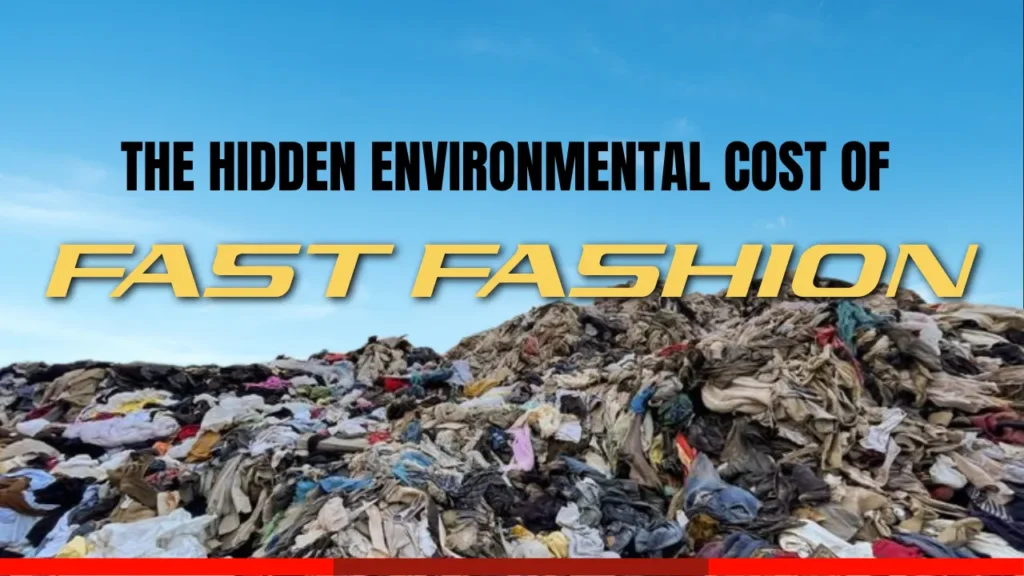
At present, trends move faster than ever before. One week everyone is dressing like it’s 2007 tumblr, the next week suddenly everyone is wearing “quiet luxury” and pretending beige is a personality trait. With social media constantly pushing new aesthetics and trends, fast fashion has become one of the biggest industries in the world.
Fast fashion refers to cheap clothing produced rapidly to match current trends. Brands release hundreds of new designs every few weeks, encouraging people to constantly buy more clothes. While this makes fashion more affordable and accessible, many people ignore the environmental damage happening behind the scenes.
The fashion industry consumes massive amounts of water and energy. Producing clothes, especially cotton products, requires enormous quantities of water. Textile factories also release harmful chemicals and dyes into rivers and oceans, causing severe water pollution.
Another major issue is textile waste. Because trends change so quickly, many people throw away clothes after wearing them only a few times. These clothes usually end up in landfills, where synthetic materials like polyester can take decades to decompose. On top of that, synthetic fabrics release microplastics into the environment every time they are washed.
Fast fashion also contributes heavily to carbon emissions due to large scale manufacturing and international shipping. Ironically, people order clothes online just to wear them once for an instagram post before they disappear into the depths of the wardrobe forever.
Besides environmental damage, fast fashion also raises ethical concerns. Many factory workers in developing countries work under poor conditions for extremely low wages simply to keep up with consumer demand.
However, consumers can still make better choices. Buying second hand clothing, supporting sustainable brands and reusing outfits can reduce unnecessary waste. Not every outfit needs to be a brand new fashion statement created solely for social media validation.
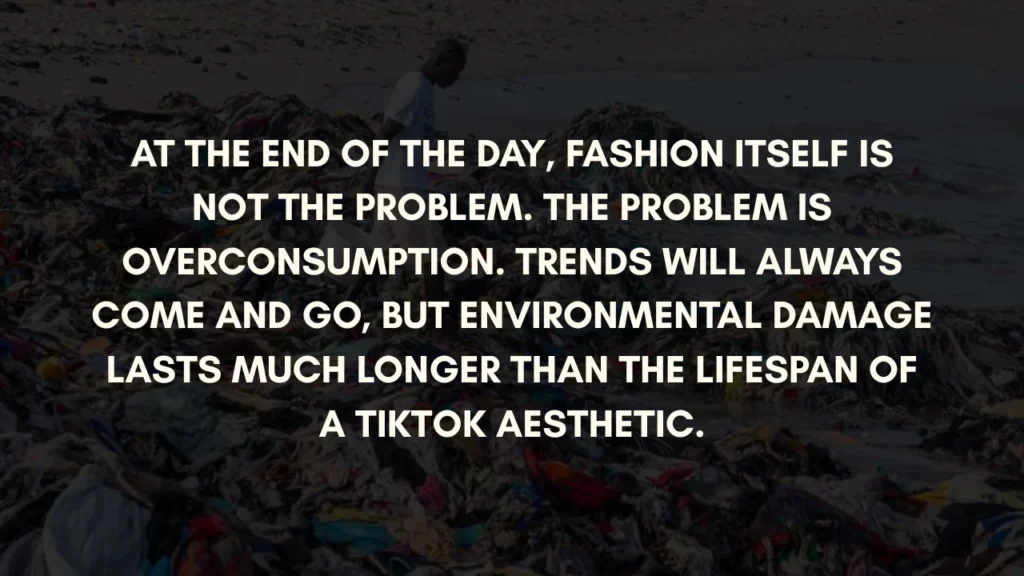
At the end of the day, fashion itself is not the problem. The problem is overconsumption. Trends will always come and go, but environmental damage lasts much longer than the lifespan of a tiktok aesthetic.
Written & Design By: –

Rtr. Kawindra Wickramasinghe
(Junior Blog Team Member 2025-26)