Headphones, big glasses, math geeks, and braces are still the images that come into some people’s heads when you mention “autism”. But in reality, it’s a spectrum full of different people with different behaviours, symptoms and interests. One person’s experience with ASD might differ from another person’s experience.
Autism, or better known as autism spectrum disorder (ASD), is a broad range of conditions characterised by challenges with social skills, repetitive behaviours, speech and nonverbal communication. In Sri Lanka, 1 in 93 to 1 in 95 children may be diagnosed with Autism Spectrum Disorder. These numbers are very low compared to more developed countries where there are more advanced diagnostic processes, funded research and less social stigma.
As of present, you’d hear people use (or you, yourself might use) words like “overstimulation”, “hyperfixation”, or “sensory overload”. Did you know all of these are actually terms used by autistic (and neurodivergent) people to describe symptoms? For most people, these are fun and quirky ways to describe a simple inconvenience during their daily lives. But for people on the spectrum, these things can be debilitating. Hence, it’s important for us to realise the weight of these “buzz words”.
In modern media, people have tried to represent autistic characters and shed more light. But shows like The Good Doctor or The Big Bang Theory have been partially successful, yet with so many shortcomings. They have leaned heavily towards stereotypes. Shaun is a savant with difficult behaviour and is almost robotic, while Sheldon is heavily stereotyped to cater to the comedy of the show.
At the same time, did you know Rapunzel (Tangled), Cloud Strife (Final Fantasy), Luna Lovegood (Harry Potter), Izuki Midoriya (MHA) and many more are considered to be some of the best autistic representations in media? Even famous personalities like Sia and Greta Thunberg are vocal about their autism diagnosis.
Personally, being on the spectrum has been both a gift and a curse. Perhaps it’s due to being low support need, meaning I can manage my daily life with minimal support. However, as a child, my speech development was heavily delayed compared to all my peers. I never felt a sense of belonging, and it took nearly 16 years of my life to make my first ever friend. Simultaneously, I was gifted with things like pattern recognition and hyperfocus. That’s my personal experience. But for another person, their experience can vary significantly or perhaps be the same.
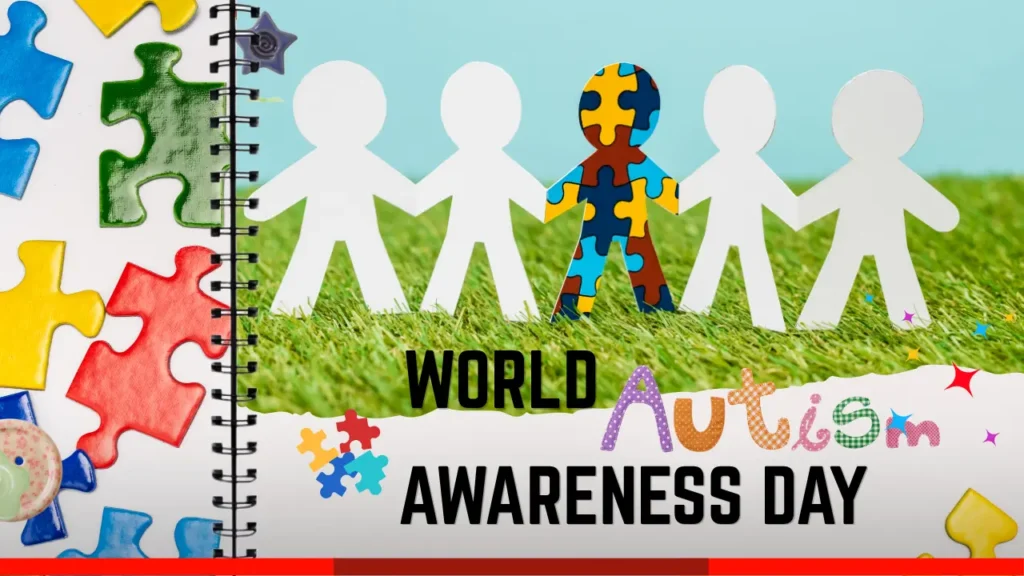
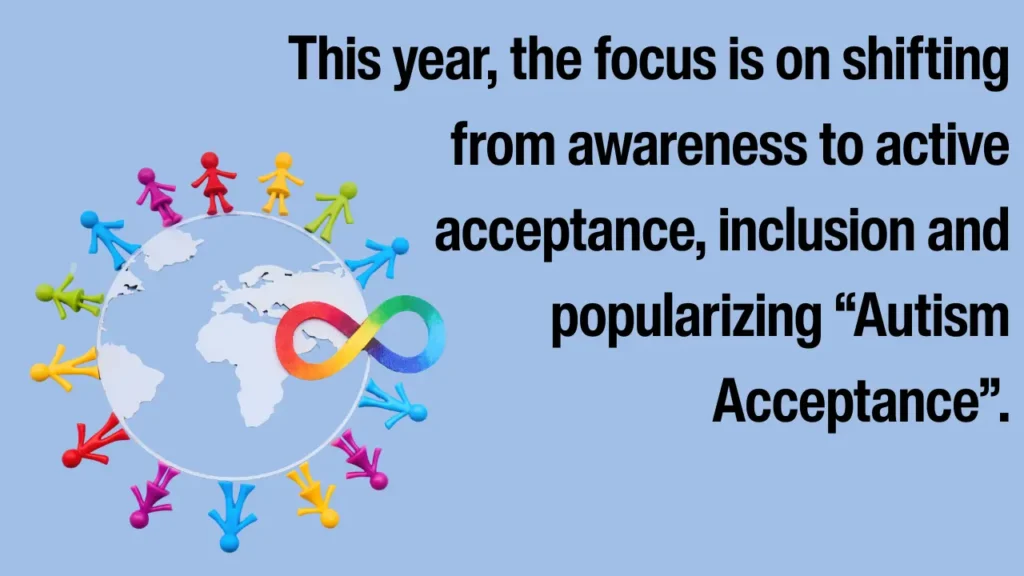
This year’s World Autism Awareness Day has fallen on April 2nd. On this day it aims to promote global awareness, acceptance, and inclusion of autistic individuals. This year, the focus is on shifting from awareness to active acceptance, inclusion and popularizing “Autism Acceptance”.
Written & Design By: –

Rtr. Kawindra Wickramasinghe
(Junior Blog Team Member 2025-26)