
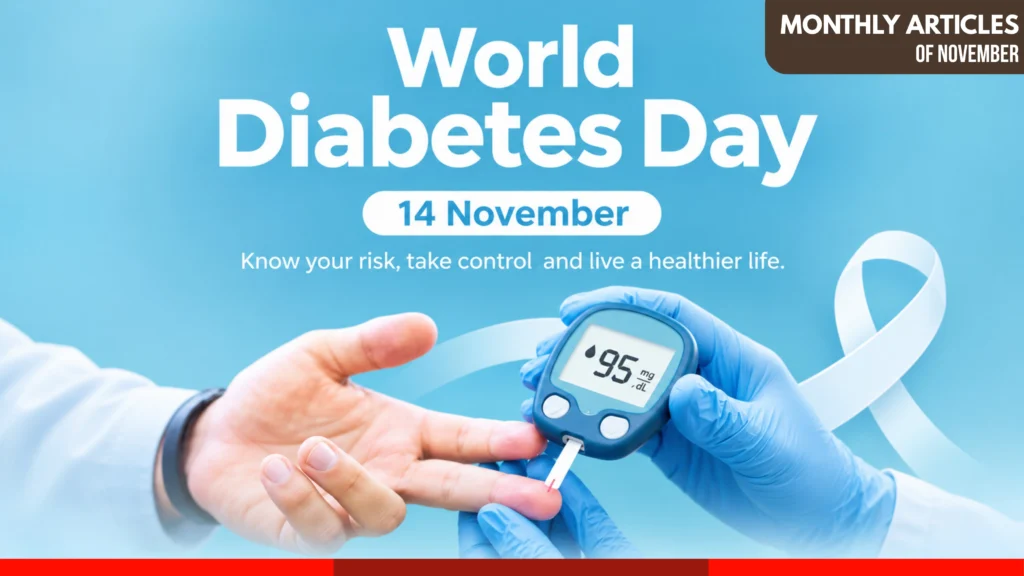
Every year, on 14 November, the world comes together to observe World Diabetes Day, raising awareness about one of the most significant health challenges of our time. In 2026, the campaign focuses on the theme “Early Action on Diabetes,” highlighting the importance of early diagnosis, timely medical care and reducing the risk of developing Type 2 diabetes. This year’s message reminds us that taking action today can make a meaningful difference to tomorrow’s health.
Diabetes is a chronic health condition that affects how the body regulates blood glucose (blood sugar). It occurs when the body does not produce enough insulin or cannot use insulin effectively. Although diabetes can affect people of all ages, many individuals remain unaware that they are living with the condition. According to the International Diabetes Federation, approximately 589 million adults worldwide are living with diabetes, with millions yet to receive a diagnosis. This highlights the urgent need for greater awareness and accessible healthcare services.
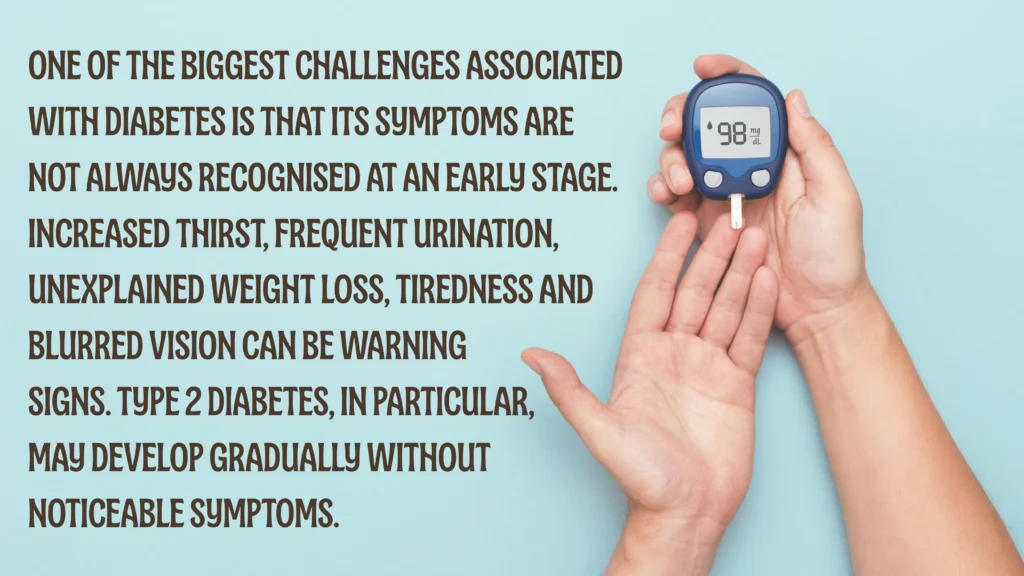
One of the biggest challenges associated with diabetes is that its symptoms are not always recognised at an early stage. Increased thirst, frequent urination, unexplained weight loss, tiredness and blurred vision can be warning signs. Type 2 diabetes, in particular, may develop gradually without noticeable symptoms. Therefore, regular health check-ups and appropriate medical screening are important, especially for individuals with recognised risk factors. Early diagnosis allows people to receive proper medical guidance and manage the condition before serious complications develop.
However, World Diabetes Day is not only about identifying the condition, it is also about encouraging healthier communities. Maintaining a balanced diet, engaging in regular physical activity, getting sufficient sleep and attending routine medical check-ups can contribute to reducing the risk of Type 2 diabetes. Equally important is ensuring that people living with diabetes receive continuous medical care, emotional support and understanding rather than judgement or discrimination.
Communities, educational institutions, healthcare professionals and governments all have an important role in addressing this growing challenge. Awareness campaigns, educational programmes and accessible screening facilities can help people make informed decisions about their health. Supporting individuals living with diabetes also creates a more inclusive and understanding society.
As we mark World Diabetes Day 2026, let us remember that awareness must lead to action. Recognising the warning signs, encouraging early diagnosis and supporting healthier lifestyles are responsibilities we all share. Early action can change lives and the right time to act is now.
Written By: –

Rtr. Nimmi Maheeshi
(Junior Blog Team Member 2026-27)