

World Heritage Day, officially recognized as the International Day for Monuments and Sites, is celebrated annually on April 18th. It is a day dedicated to honoring the vast diversity of human history and the breathtaking splendor of the natural world. Established by the International Council on Monuments and Sites (ICOMOS) in 1982 and subsequently approved by the UNESCO General Conference, this observance serves as a vital platform for raising global awareness. It reminds us that our cultural and natural landmarks are not merely static relics of the past or isolated patches of wilderness; they are the living threads of a shared human narrative. Whether it is the awe-inspiring Pyramids of Giza, the serene beauty of the Galápagos Islands, or the historic centers of European cities, these sites belong to all of humanity, transcending national borders and political ideologies.
The core mission of World Heritage Day is to highlight the vulnerability of these “irreplaceable” assets and the collective responsibility required to protect them. In the modern era, the threats facing our heritage have become increasingly complex. Rapid urbanization often leads to the destruction of historic neighborhoods, while geopolitical tensions and armed conflicts can result in the deliberate targeting of cultural symbols. Perhaps most pressingly, the escalating climate crisis poses a universal threat, with rising sea levels encroaching on coastal forts and extreme weather patterns eroding ancient stonework. By designating a specific day to these issues, the international community is urged to move beyond passive appreciation and toward active preservation. This involves everything from high-tech digital mapping of endangered sites to the traditional hands-on restoration techniques passed down through generations of artisans.
Beyond the physical preservation of stone and soil, World Heritage Day celebrates the intangible values these sites represent: identity, continuity and mutual respect. In a world that often feels fragmented, heritage sites act as bridges between cultures, allowing us to recognize our common origins and shared aspirations. They are “living classrooms” that provide invaluable lessons in engineering, art, ecology, and social organization. When a community engages in the upkeep of a local monument, it fosters a sense of pride and social cohesion. Economically, these sites are also cornerstones of sustainable development. When managed responsibly, cultural tourism provides livelihoods for millions, funding the very conservation efforts that keep the sites alive. The focus is always on a “balanced” approach – ensuring that the influx of visitors does not degrade the integrity of the site they have come to admire.
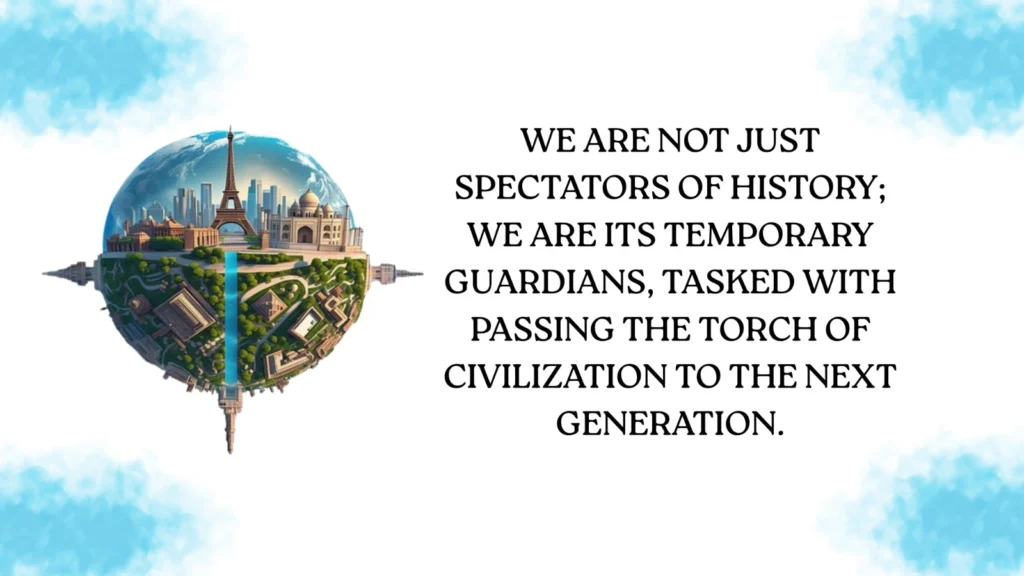
As we look toward the future, the spirit of World Heritage Day calls for an inclusive approach to history. It encourages us to look past the “famous” landmarks and recognize the heritage of marginalized communities, indigenous peoples, and the often-overlooked natural ecosystems that sustain life on Earth. The 2026 theme, “Together for Peace and Understanding,” underscores the idea that by protecting the history of “the other,” we build a foundation for global empathy. It is a day to reflect on what we wish to leave behind for those who will follow us. By committing to the stewardship of these sites today, we ensure that the story of humanity remains a complete and vibrant epic, preserved in the enduring monuments and landscapes that define our world. We are not just spectators of history; we are its temporary guardians, tasked with passing the torch of civilization to the next generation.

Written By: –

Rtr. Senumi Jayathilake
(Junior Blog Team Member 2025-26)
Design By: –

Rtr. Pasan Jithnuka
(Junior Blog Team Member 2025-26)